Hair Fall vs. Hair Loss: What's the Difference, and Why It Matters
The two terms get used interchangeably, but they describe different things — and knowing which one you're dealing with changes what actually helps.
Key Scientific Takeaways
- Hair fall (shedding) is a cycle timing disruption where the follicle remains alive and capable of regrowth.
- Hair loss (androgenetic alopecia) is a progressive miniaturization driven by genetics and DHT sensitivity.
- Hard water minerals coat hair fibers, causing friction and pulling weak roots out prematurely.
- Topical care cannot cure genetic baldness, but effectively strengthens roots, clears mineral buildup, and supports follicle retention.
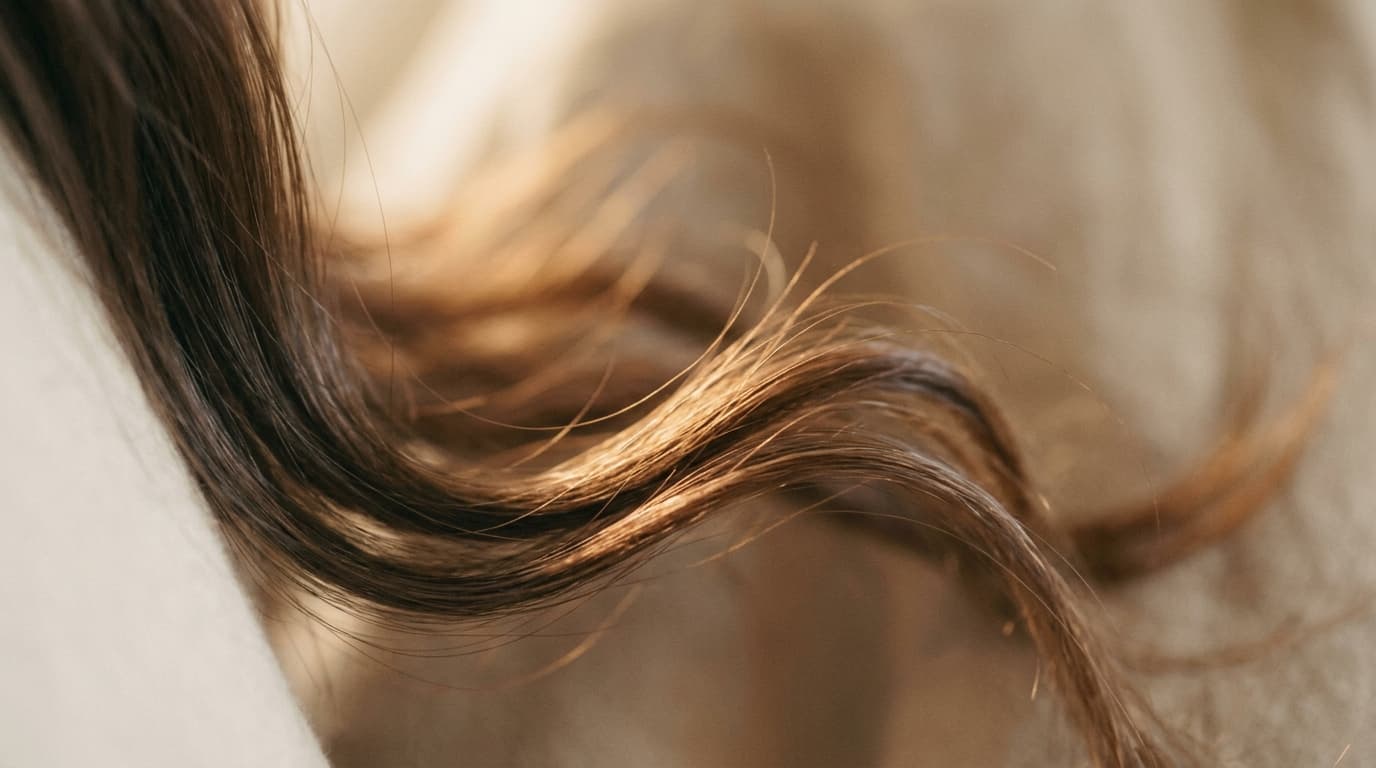
Observing an unusual amount of hair in your shower drain, on your comb, or across your pillow is an unsettling experience. Because the sight of detached hair triggers immediate distress, people almost instinctively reach for the term "hair loss" to describe what they are witnessing.
In dermatological and trichological science, however, hair fall and hair loss describe two fundamentally different biological occurrences. Conflating the two leads to misplaced expectations, financial waste on inappropriate treatments, and unnecessary psychological anxiety. Understanding the distinct mechanisms governing shedding versus follicle miniaturization is the most critical first step in determining how to care for your hair responsibly.
Understanding Hair Fall: The Shedding Cycle
Hair fall, known clinically as telogen effluvium or excessive shedding, is a disruption in the timing of the natural hair cycle rather than a permanent loss of follicle capability. Under healthy physiological conditions, every human scalp experiences continuous shedding. The human head houses approximately 100,000 hair follicles, with 85 to 90 percent actively growing in the anagen phase, while the remainder reside in the catagen (transition) or telogen (resting) phases.
On an ordinary day, shedding between 50 and 100 telogen hairs is completely normal. However, when an external or internal stressor abruptly shocks an elevated percentage of growing follicles into the resting phase simultaneously, excessive shedding becomes visible two to three months later. Common triggers include:
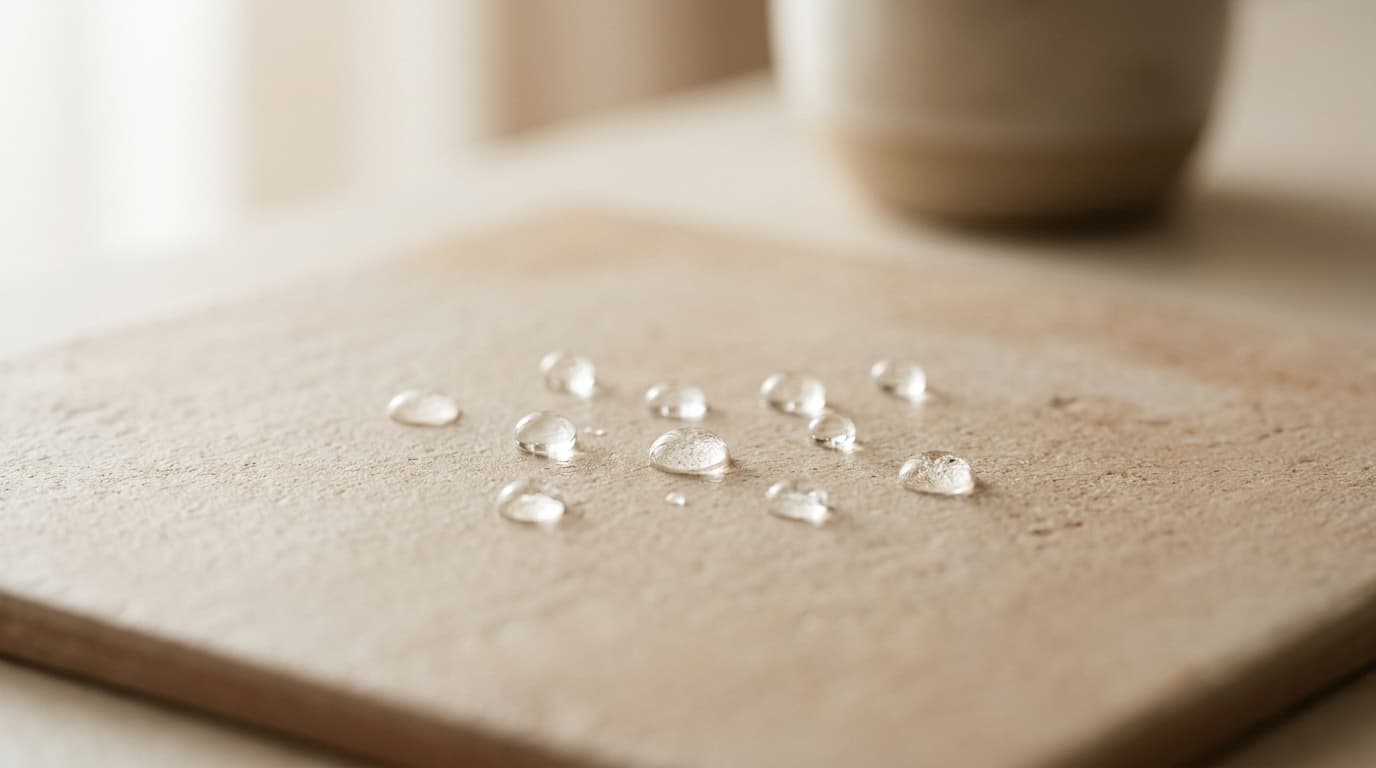
- Environmental and Water Stress: Persistent washing in hard water causes dissolved calcium and magnesium minerals to coat the hair shaft. This buildup creates friction, weighs down strands, and weakens roots, causing hairs with compromised anchorage to detach prematurely during routine washing and styling.
- Physiological and Systemic Shifts: Acute psychological stress, rapid nutritional deficits, high fevers, hormonal fluctuations, or postpartum changes can trigger synchronized follicular shedding across the scalp.
- Scalp Surface Congestion: A compromised scalp barrier characterized by mineral buildup, oxidized sebum, or persistent surface irritation impairs the follicular environment, making roots vulnerable to premature detachment.
The defining hallmark of hair fall is that the underlying hair follicle remains biologically intact, alive, and fully capable of producing a new, healthy fiber once the contributing disruption is resolved and root anchorage is supported. The shed strand typically features a small white bulb at its root end, indicating that the hair completed its telogen phase and detached naturally from a living follicle.
Understanding Hair Loss: Progressive Miniaturization
Hair loss, most commonly presenting as androgenetic alopecia (pattern hair loss), operates through an entirely different biological pathway. It is not characterized primarily by clumps of hair shedding in the shower, but rather by progressive, structural alteration of the follicle itself.
In androgenetic alopecia, hair follicles possess a genetically determined sensitivity to dihydrotestosterone (DHT), a potent androgenic hormone. Over successive growth cycles, DHT binding causes affected follicles to undergo a process known as miniaturization. The follicle physically shrinks, its anagen growth phase shortens, and each successive hair fiber emerges thinner, shorter, and less pigmented than its predecessor. Eventually, the follicle miniaturizes to the point where it produces only microscopic vellus hair, or ceases activity entirely.
Because miniaturization is driven by internal genetics and endocrine sensitivity, it cannot be reversed by simple surface cleansing or basic lifestyle adjustments. Progressive, localized thinning along the temples, the vertex of the crown, or a widening central part warrants clinical evaluation by a qualified dermatologist or trichologist.
The Scope and Limits of Topical Care
Navigating hair health requires unvarnished honesty regarding what topical scalp care can and cannot accomplish. No cosmetic shampoo or non-prescription serum can cure genetic pattern baldness, alter endocrine receptors, or substitute for prescription medical treatments supervised by a physician.
Where advanced topical scalp care provides profound, demonstrable value is precisely within the realm of scalp wellness, root strength, and reversible hair fall. Formulations engineered around environmental protection and follicle nourishment offer vital support by:
- Strengthening hair follicles and reinforcing root anchorage to reduce premature strand detachment during washing and handling.
- Removing and preventing mineral buildup on the scalp caused by hard water, eliminating the physical weight and follicular occlusion that strain delicate roots.
- Improving overall scalp health, microcirculation, and cellular hydration to maintain a balanced, supple skin barrier.
- Supporting visible hair regrowth with continuous use by supplying essential nutrients that encourage dormant, sluggish follicles back into an active growth phase.
Understanding this boundary ensures that you invest in scalp care with clear, realistic objectives: protecting healthy roots, neutralizing environmental damage, and maximizing follicle resilience.
A Grounded, Honest Perspective
If you are experiencing elevated shedding after showering, or if your hair feels stiff, dry, and prone to pulling away at the root, examining your water quality and implementing a targeted, leave-in scalp serum is an intelligent, evidence-based place to begin. Identifying mineral buildup and strengthening root anchorage often yields noticeable improvements in strand retention.
Conversely, if you notice gradual, patterned receding along your hairline or localized scalp visibility developing over years, prioritize a consultation with a medical professional. Thoughtful scalp care is an essential foundation for healthy, resilient hair, but responsible care always begins with an honest understanding of what your hair is telling you.
Experience the Formula in Your Daily Routine
Formulated specifically to neutralize hard-water mineral buildup and deliver Redensyl® 3%, Capixyl® 2.5%, and Procapil® 3% directly to follicular roots.